How Smoking Slowly Damages Your Oral Health

Dr. Sangeetha Varadharajan
B.D.S Dental Professional
Most people associate smoking with lung disease or heart problems. What often goes unnoticed is the damage tobacco causes inside the mouth—sometimes long before any other health issue becomes visible.
Every cigarette exposes your teeth, gums, and oral tissues to harmful chemicals that gradually weaken your natural defenses. The effects aren’t always painful in the beginning. In fact, many smokers believe their mouth is healthy simply because nothing hurts. Unfortunately, by the time discomfort appears, the damage may already be advanced.
At Sreejayam Dental Clinic, Chennai, we frequently meet patients who are surprised to learn that smoking is the underlying reason behind persistent gum problems, loose teeth, delayed healing, or recurring bad breath. Understanding these risks is the first step toward protecting your smile
Table of Contents
Smoking Doesn’t Just Stain Teeth
Yellow teeth are usually the first thing people notice, but staining is only the surface of the problem.
Tobacco leaves behind sticky deposits that cling to tooth enamel. Over time, these stains become darker and more difficult to remove with regular brushing. Coffee and tea may add to the discoloration, making the teeth appear dull even if they are otherwise healthy. Professional dental cleaning can remove much of this staining, but unless smoking stops, the discoloration often returns much faster than expected.
Your Gums May Be Unhealthy Without Showing Obvious Signs
One of the biggest misconceptions about gum disease is that bleeding gums are always present.
In smokers, the opposite can happen.
Smoking reduces blood flow to the gums, so they may bleed less even while an infection is progressing underneath. This means many smokers don’t realise they have gum disease until they begin experiencing loose teeth, gum recession, or difficulty chewing. This is one of the reasons routine dental examinations are especially important for people who smoke.
Why Smokers Develop Gum Disease More Easily
Healthy gums depend on a strong blood supply and an active immune response. Smoking weakens both.
When harmful bacteria collect around the teeth, the body normally fights the infection. Tobacco makes this defence less effective, allowing bacteria to multiply and damage the tissues that support your teeth.
Over time, the gums begin to pull away from the teeth, creating pockets where more bacteria accumulate. If left untreated, the infection spreads to the jawbone and may eventually result in tooth loss.
Bad Breath Isn’t Always About Oral Hygiene
Many smokers brush regularly yet continue to struggle with unpleasant breath.
This happens because tobacco affects more than just the teeth. It reduces saliva production, dries the mouth, and encourages the growth of bacteria responsible for foul odours.
Mints and mouthwash may temporarily mask the smell, but they don’t address the actual cause.
A professional cleaning combined with improved oral hygiene and reducing tobacco use usually provides far better long-term results.
Smoking Can Affect Dental Treatments Too
Patients are often surprised to learn that smoking can influence the success of dental procedures.
Whether it’s a simple tooth extraction, gum treatment, or a dental implant, healing depends on healthy blood circulation. Since smoking restricts oxygen and nutrient supply to tissues, recovery can take longer.
This increases the chances of infection, delayed wound closure, and post-treatment complications.
For patients considering dental implants, quitting smoking—even temporarily—can significantly improve treatment outcomes.
The Hidden Link Between Smoking and Tooth Loss
Many people believe cavities are the main reason adults lose teeth.
In reality, gum disease is one of the leading causes of tooth loss, and smoking greatly increases that risk. As gum disease progresses, the bone supporting the teeth gradually weakens. Teeth may begin to feel loose or shift position, making chewing uncomfortable.
The encouraging news is that early diagnosis and treatment can often prevent permanent damage.
Oral Cancer: A Risk That Should Never Be Ignored
Among all the oral health problems linked to smoking, oral cancer is the most serious.
The chemicals in tobacco repeatedly irritate the tissues inside the mouth. Over time, this continuous exposure can cause abnormal cell changes.
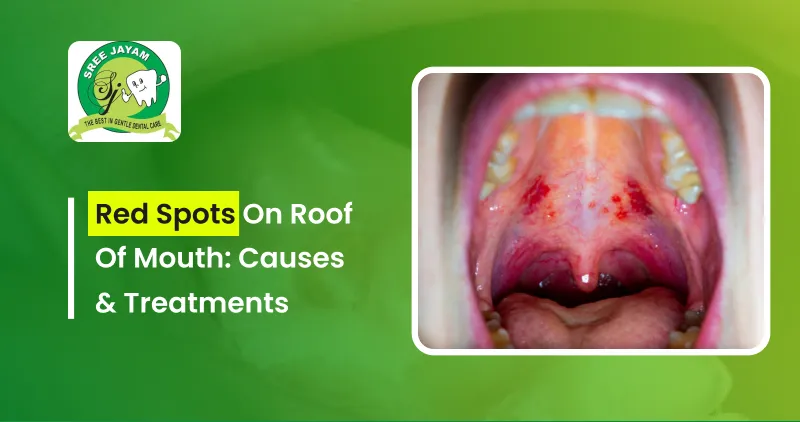
Small ulcers that don’t heal, white or red patches, unexplained lumps, or difficulty swallowing should never be ignored. During routine dental check-ups, dentists don’t just examine your teeth—they also inspect your tongue, cheeks, gums, palate, and other soft tissues for early warning signs.
Early detection can make a significant difference in treatment success.
What Happens After You Quit Smoking?
One of the most encouraging facts about quitting is that your mouth begins recovering almost immediately. Within a few weeks, blood circulation starts improving. Food tastes better, breathing becomes fresher, and the gums begin receiving more oxygen and nutrients.
As time passes, your chances of developing severe gum disease gradually decrease. Future dental treatments also become more predictable because your body heals more efficiently. While some damage may require professional treatment, stopping smoking gives your mouth the best opportunity to recover.
Looking After Your Oral Health as a Smoker
If quitting feels difficult, don’t let that stop you from caring for your teeth and gums.
Simple habits can still make a meaningful difference:
- Brush twice a day using fluoride toothpaste.
- Clean between your teeth daily with floss or interdental brushes.
- Drink enough water to reduce dry mouth.
- Replace your toothbrush regularly.
- Visit your dentist for professional cleaning and oral examinations.
- Seek advice if you notice persistent ulcers, bleeding, or loose teeth.
These steps cannot completely eliminate the risks of smoking, but they can help detect problems earlier and reduce complications.
How Sreejayam Dental Clinic Can Help
At Sreejayam Dental Clinic, Chennai, we believe prevention is just as important as treatment. Every dental examination includes a careful assessment of your gums, teeth, and oral tissues to identify concerns before they become major problems.
Whether you need professional cleaning to remove tobacco stains, treatment for gum disease, restorative care, or guidance on improving your oral health after quitting smoking, our experienced team is committed to providing personalised care in a comfortable environment.
Conclusion
Smoking doesn’t damage your oral health overnight. It works quietly, affecting your gums, teeth, saliva, and healing ability little by little. Because many early warning signs remain hidden, regular dental visits become even more important for smokers.
The good news is that your mouth has an impressive ability to recover when given the right care. Combining good oral hygiene, routine dental check-ups, and reducing or quitting tobacco can help preserve your natural teeth and protect your overall health for years to come.
Frequently Asked Questions
Smoking reduces blood flow to the gums, weakens the immune system, and increases the risk of gum disease, tooth decay, bad breath, stained teeth, tooth loss, and oral cancer. It also slows healing after dental treatments
Yes. Smoking is one of the leading causes of gum disease. It makes it harder for your gums to fight infection, allowing bacteria to damage the tissues and bone that support your teeth.
Nicotine and tar in tobacco products stick to the enamel, causing yellow or brown stains over time. These stains can become permanent without professional dental cleaning or teeth whitening.
Yes. Smoking leaves harmful chemicals in the mouth, reduces saliva production, and promotes bacterial growth, all of which contribute to persistent bad breath.
Yes. Smoking significantly increases the risk of advanced gum disease, which damages the bone supporting the teeth and can eventually lead to tooth loss if left untreated.
Yes. Tobacco use is one of the biggest risk factors for oral cancer. Regular dental check-ups can help detect early signs such as persistent mouth ulcers, red or white patches, and unusual lumps.
Quitting smoking improves blood circulation, reduces the risk of gum disease, and helps your mouth heal more effectively. While existing damage may require dental treatment, stopping smoking greatly benefits your long-term oral health.