Why Is the Roof of My Mouth Itchy?

Dr. Sangeetha Varadharajan
B.D.S Dental Professional
Feeling an itchy sensation on the roof of your mouth can be uncomfortable and confusing. Many people ask questions like why is the roof of my mouth itchy, why does the roof of my mouth hurt when I eat, or whether an unhealthy roof of mouth is something to worry about. While this problem is often mild, sometimes it can be a sign of an underlying issue.
In this blog, we explain the common causes of a roof of mouth itchy feeling, when it may be serious, and simple itchy roof of mouth home remedies you can try at home.
Table of Contents
What Does an Itchy Roof of the Mouth Mean?
The roof of your mouth is also called the palate. It is sensitive and can easily react to irritation, allergies, infections, or injury. An itchy feeling may come and go, or it may stay for several days.
In most cases, an itchy roof of the mouth is not serious and goes away on its own. However, if itching is combined with pain, redness, swelling, or sores, it may indicate an unhealthy roof of mouth that needs attention.
Common Reasons Why the Roof of My Mouth Is Itchy
There are many possible reasons why the roof of your mouth feels itchy. Let’s look at the most common causes.
1. Food Allergies or Sensitivities
One of the most common answers to why is the roof of my mouth itchy is a mild food allergy.
Common trigger foods include:
- Nuts
- Fruits like apples, bananas, or kiwi
- Spicy foods
- Shellfish
- Dairy products
This is often called oral allergy syndrome. The itching usually starts soon after eating and may be mild.
Symptoms may include:
- Itchy roof of mouth
- Tingling lips or tongue
- Mild swelling
The symptoms usually go away quickly once you stop eating the trigger food.
2. Hot or Spicy Foods
Do you have a question why does the roof of my mouth hurt when I eat, hot or spicy foods could be the reason.
- Hot tea, coffee, or soup can burn the palate
- Spicy foods can irritate the soft tissue
This can cause:
- Itching
- Pain
- Redness
- Sensitivity when eating
These symptoms usually heal within a few days.
3. Dry Mouth (Xerostomia)
Dry mouth happens when there is not enough saliva in the mouth. Saliva helps protect oral tissues, so without it, the roof of the mouth can become irritated.
Causes of dry mouth include:
- Dehydration
- Certain medications
- Mouth breathing
- Smoking
A dry mouth can feel itchy, sticky, or sore, making the roof of mouth itchy and uncomfortable.
4. Oral Infections
Infections can make the roof of your mouth itchy and painful.
Common infections include:
Oral Thrush (Fungal Infection)
- Caused by yeast
- White patches on the roof of the mouth
- Redness and itching
- Burning sensation
Viral Infections
- Cold sores
- Fever blisters
These infections can cause an unhealthy roof of mouth and should be checked by a dentist or doctor.
5. Poor Oral Hygiene
Not brushing or flossing properly can allow bacteria to build up in the mouth. This may lead to irritation or infection.
Signs include:
- Bad breath
- Red or inflamed gums
- Itchy roof of mouth
- Soreness
Good oral hygiene helps keep the mouth healthy and reduces irritation.
6. Smoking or Tobacco Use
Smoking can dry out and irritate the roof of your mouth. Chemicals in tobacco can damage oral tissues and delay healing.
Over time, smoking may cause:
- Chronic itching
- Pain
- Discoloration
- An unhealthy roof of mouth
Quitting smoking greatly improves oral health.
7. Mouth Injuries or Trauma
Scratching the roof of your mouth with sharp foods like chips or crusty bread can cause small cuts.
These small injuries can lead to:
- Itching while healing
- Pain when eating
- Sensitivity
They usually heal on their own within a week.
Signs of an Unhealthy Roof of Mouth
Sometimes itching is a sign of something more serious.
Watch out for these signs:
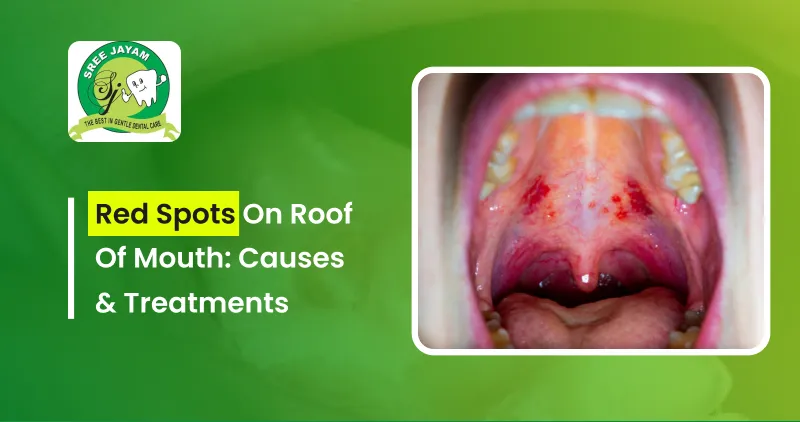
- White or red patches
- Sores that do not heal
- Persistent pain
- Swelling
- Bleeding
- Pain when eating or drinking
If these symptoms last more than 7–10 days, it’s best to seek professional advice.
Why Does the Roof of My Mouth Hurt When I Eat?
Pain while eating often happens when the palate is irritated or damaged.
Common reasons include:
- Burns from hot food
- Sores or ulcers
- Infections
- Acidic foods like citrus or tomatoes
Eating can irritate already inflamed tissue, making the pain worse.
Easy Itchy Roof of Mouth Home Remedies
If your symptoms are mild, you can try these itchy roof of mouth home remedies for relief.
1. Salt Water Rinse
- Mix ½ teaspoon of salt in warm water
- Rinse 2–3 times a day
This helps reduce bacteria and soothe irritation.
2. Stay Hydrated
Drinking enough water keeps the mouth moist and reduces dryness-related itching.
3. Avoid Trigger Foods
Stay away from:
- Spicy foods
- Hot drinks
- Acidic foods
This gives your mouth time to heal.
4. Cold Foods or Ice Chips
Cold temperatures can help numb itching and reduce inflammation.
5. Good Oral Hygiene
- Brush twice daily
- Use a soft toothbrush
- Floss gently
Cleanliness helps prevent infections and irritation.
6. Honey
Honey has natural antibacterial properties.
- Apply a small amount gently to the irritated area
- Avoid if you are allergic
7. Coconut Oil Pulling
Swishing coconut oil for 5–10 minutes may help reduce bacteria and soothe tissues.
When Should You See a Dentist or Doctor?
You should seek professional help if:
- The itching lasts more than a week
- Pain gets worse
- You notice white or red patches
- Eating becomes difficult
A dentist can identify whether the issue is related to infection, allergy, or another oral health problem.
How to Prevent an Itchy Roof of Mouth
Prevention is always better than treatment.
Simple prevention tips:
- Drink plenty of water
- Avoid smoking
- Maintain good oral hygiene
- Eat a balanced diet
- Avoid very hot foods
- Visit your dentist regularly
These habits help keep the roof of your mouth healthy and irritation-free.
Final Thoughts
If you’re asking why is the roof of my mouth itchy, the answer is usually something simple like food irritation, dryness, or a mild allergy. In many cases, home care and small lifestyle changes are enough to fix the problem.
However, ongoing itching, pain, or visible changes may point to an unhealthy roof of mouth that needs professional care. Listening to your body and acting early can help prevent bigger oral health issues.
It’s always best to consult a dental or healthcare professional for proper diagnosis and treatment.